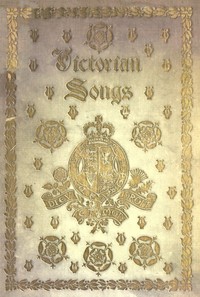
Victorian Songs: Lyrics of the Affections and Nature by Garrett, Gosse, and Garrett

(3 User reviews)   448
By Rebecca King Posted on Jan 14, 2026
In Category - World Religions
English
Okay, so picture this: you find a beautiful old book of Victorian poetry at a rummage sale. The cover is worn, the pages are yellowed, and it's filled with these incredibly romantic, nature-filled verses by three authors—two Garretts and a Gosse. But here's the thing: the actual book is credited to 'Unknown.' Who were these people? Why is their collection published anonymously? It's not a thriller, but that little mystery of the missing author credit pulls you right in. You start reading these poems about love, loss, birds, and flowers, and you can't help but wonder about the hands that wrote them and the story behind why their names were, seemingly, lost to time. It's a quiet, lovely collection with a quiet, intriguing puzzle at its heart.
Share

Read "Victorian Songs: Lyrics of the Affections and Nature by Garrett, Gosse, and Garrett" Online

This book is available in the public domain. Start reading the digital edition below.

START READING FULL BOOK
Instant Access    Mobile Friendly

Book Preview

A short preview of the book’s content is shown below to give you an idea of its style and themes.

förderte kaum noch ein halbes Dutzend unbekannter Stücke zu Tage. Dagegen zeigte sich das allgemeine Interesse an der Sache in einer reichen Folge von Zuschriften, die mir neben bereits bekannten Steinkreuzen auch alle möglichen andern alten Steine als Kreuze bezeichneten. Dies geschah z. B. mit dem ovalen Denkstein von 1817 beim Bahnhof Frankenberg und dem »Schäferkreuz« bei Limbach i. V. Seit etwa zwei Jahren ist aber auch die Quelle privater Mitteilungen ganz versiegt. Ich gehe also wohl nicht fehl, wenn ich behaupte, daß sich heute auf sächsischem Staatsgebiet kaum noch ein altes Steinkreuz an sichtbarer Stelle in Dorf oder Stadt, Flur oder Wald befinden dürfte, das in meinen früheren und heutigen Listen noch nicht verzeichnet steht. Dagegen wird man nach den Vorgängen der letzten Jahrzehnte auch in Zukunft bei Aufgrabungen oder Mauerabbruch noch manch verschwundenes Stück wiederfinden können. Die Frage ausgegrabener und vergrabener Steinkreuze verdient übrigens einmal besonderer Prüfung. Vor zehn Jahren wurde das Fischheimer Kreuz bei Rochlitz (Abb. 78) mitten im Acker in eine mühsam ausgeschachtete Grube geworfen, weil sich die Bauern stets gar so sehr davor gefürchtet hatten. Aus Schlesien berichtet Hellmich (Steinerne Zeugen, S. 6), daß ein ausgegrabenes Kreuz auf Bitten des Besitzers wieder verschüttet und ein anderes nicht am Zaune geduldet wurde; er folgert daraus, daß früher des öfteren solche alte Mäler aus Aberglauben verscharrt worden seien. Prüft man die Umstände nach, unter denen in Sachsen ganz zufällig bei Tiefbauarbeiten das eine der beiden Löbauer (Abb. 79) und das Röhrsdorfer Kreuz (Abb. 80) drei Meter unter der Oberfläche herausgeholt wurden, so gewinnt jene Vermutung sicher an Wahrscheinlichkeit, denn bis in solche Tiefen hat der Block trotz seiner Schwere sicherlich nicht von selbst versinken können. [Illustration: Abb. 78 =Fischheim= bei Wechselburg a. M.] Das Gesamtergebnis der sächsischen Forschungen nötigt aber auch immer wieder zu der Erkenntnis, daß das einzelne Stück mit seinen sagenhaften oder urkundlichen Zusammenhängen keine entscheidende Bedeutung für die Klärung des Steinkreuzrätsels besitzt, und daß sich das Steinkreuzproblem unmöglich für ein engbegrenztes neuzeitliches Staatsgebiet lösen läßt. Nur durch weitere Sammeltätigkeit, die sich in räumlicher Beziehung über das ganze Verbreitungsgebiet der Steinkreuze in- und außerhalb Europas, sowie über alle auffindbaren urkundlichen Erwähnungen erstrecken muß, läßt sich einmal die Grundlage für eine zweifelsfreie Deutung der ganzen Sitte schaffen. Diese nahezu unbegrenzte Erweiterung der Aufgabe übersteigt aber den Verfügungsbereich des einzelnen Dilettanten; da trotzdem eine gewisse planmäßige Zusammenfassung aller der Kräfte nützlich erscheint, die an verschiedenen Stellen für die Sache tätig sind, so habe ich 1919 in Anlehnung an das Denkmalarchiv des sächsischen Freistaates eine _Zentrale für Steinkreuzforschung_ (Dresden-A., Breite Straße 7) ins Leben gerufen, die sich mit der Sammlung der gesamten Forschungsergebnisse befaßt, Auskünfte erteilt, für die Sammlung oder Erhaltung der alten Mäler zu wirken sucht und die Unterlagen für wissenschaftliche Behandlung der Frage zusammenträgt. Trotz der überaus ungünstigen Zeitverhältnisse ist es mir gelungen, diese Angelegenheit in Fluß zu bringen und an vielen Stellen das Interesse für jene seltsamen Erbstücke deutscher Vergangenheit zu wecken, um die sich die Wissenschaft bisher fast nicht gekümmert hat. Einen ausführlichen Bericht über den Stand der außersächsischen Forschung werde ich gelegentlich an anderer Stelle veröffentlichen. [Illustration: Abb. 79 =Löbau=] Mit dieser weiteren Ausdehnung der Steinkreuzforschung, bei der ich bisher nahezu 3000 Standorte in verschiedenen Teilen Europas karteimäßig verzeichnen konnte und zahlreiches Nachrichtenmaterial aller Art zusammenbrachte, befestigte sich aber die in der ersten Schilderung angedeutete Überzeugung[2], daß zu den Steinen in wirklicher Kreuzesform auch die zahlreichen Steinplatten, Säulen oder Naturblöcke zu rechnen sind, die nicht nur ähnliche Zeichen und Inschriften, sowie einen ähnlichen Verwitterungsgrad der alten Steinmetzarbeit aufweisen, sondern häufig sogar mit den Kreuzen in Gruppen beieinanderstehen (vgl. z. B. Abb. 1, 2,...

This is a limited preview. Download the book to read the full content.

Let's clear something up right away: this isn't a novel with a plot. Victorian Songs: Lyrics of the Affections and Nature is a collection of poetry from the late 1800s. It brings together the work of three poets: Edmund Gosse, and a father-son duo both named John William Garrett. The poems are exactly what the title promises—short, musical verses about deep feelings (the 'affections') and the natural world. You'll find odes to nightingales, reflections on quiet streams, and passionate declarations of love and longing that feel both grand and intimate.

The Story

There isn't a traditional narrative. Instead, the 'story' is the emotional journey the poems take you on. One moment you're in a sun-dappled forest with the poet, the next you're feeling the ache of a secret love or the peace of a starlit night. The collection itself has a backstory, though. It was compiled and published, but for reasons that aren't clear from the book itself, the editor or compiler is listed as 'Unknown.' This creates a faint but fascinating layer of history. Were the poems controversial? Was it a private, personal project? The book doesn't say, leaving that for you to ponder as you read.

Why You Should Read It

I picked this up on a whim and found it surprisingly refreshing. In our fast-paced, digital world, these poems force you to slow down. They're not difficult or overly complex, but they pack a real emotional punch. The imagery is vivid—you can almost smell the damp earth and hear the rustle of leaves. What I loved most was the contrast between the intense, sometimes dramatic emotions and the gentle, precise observations of nature. It's a reminder that people in fancy waistcoats and big dresses felt the same big feelings we do. Reading it feels less like studying literature and more like overhearing someone's most private thoughts from another century.

Final Verdict

This is a perfect little book for a specific mood. It's for the reader who wants a break from dense novels, for anyone who loves history and wants to touch the past in a personal way, or for someone who just enjoys beautiful language. If you like the idea of curling up with a cup of tea and a book that feels like a found treasure, this is for you. It's also a great gateway into Victorian poetry—it's accessible and short. Just be ready for a bit of a romantic, melancholic vibe, and that intriguing question mark where an author's name should be.


📚 No Rights Reserved

There are no legal restrictions on this material. Use this text in your own projects freely.

Lisa Smith
1 year ago

Enjoyed every page.

Daniel Walker
8 months ago

I have to admit, the arguments are well-supported by credible references. Exactly what I needed.

Emily King
10 months ago

Helped me clear up some confusion on the topic.
5
5 out of 5 (3 User reviews )

Add a Review

Your Rating *
There are no comments for this eBook.
You must log in to post a comment.
Log in


Related eBooks