
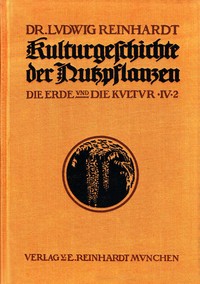
Kulturgeschichte der Nutzpflanzen, Band IV, 2. Hälfte by Ludwig Reinhardt
Read "Kulturgeschichte der Nutzpflanzen, Band IV, 2. Hälfte by Ludwig Reinhardt" Online
This book is available in the public domain. Start reading the digital edition below.
START READING FULL BOOKBook Preview
A short preview of the book’s content is shown below to give you an idea of its style and themes.
Let's be clear: this isn't a plot-driven novel. There's no main character named Joe Potato. Instead, Reinhardt builds his story plant by plant, tracing their journeys from wild ancestors to the domesticated staples on our tables. He starts with the big ones—the cereals like wheat and rye that formed the bedrock of empires—and moves through fruits, vegetables, and spices. The 'plot' is the incredible, often violent, migration of these species across continents, hand-in-hand with human exploration, war, and trade.
Why You Should Read It
This book makes you feel connected to history in a tangible way. You'll never look at a loaf of bread the same. Reinhardt has a gift for linking the biological story of a plant with its social impact. He explains how the search for spices launched ships across oceans, and how the humble potato's arrival in Europe altered population patterns and political power. It's history told from the ground up, literally. The writing, while academic in its time, is filled with a genuine wonder for its subject. You can feel his passion for how these silent, growing things have quietly shaped every aspect of our lives, from religion and art to economics and warfare.
Final Verdict
This is a perfect read for anyone with curiosity about the hidden links between nature and culture. If you're a foodie, a history buff, a gardener, or just someone who likes learning how everyday things have extraordinary pasts, you'll find gold here. It's not a light beach read—it requires a bit of focus—but the payoff is a profoundly shifted perspective. You'll start seeing the entire human story as one long, complex conversation with the plants we chose to grow. Keep in mind it's a historical work (originally published in the early 1900s), so some scientific details are dated, but the core historical and cultural insights remain powerful and relevant.
There are no legal restrictions on this material. Enjoy reading and sharing without restrictions.
Barbara Lopez
1 year agoFive stars!


Sarah Johnson
8 months agoHaving followed this topic for years, I can say that the structural organization allows for quick referencing of key points. The price-to-value ratio here is simply unbeatable.